

Your cover letter is more than just an introduction
to you and your application.
At Impressability, we don't just write cover letters. We craft a compelling narrative that shows employers not only what you can do, but how you think, work and contribute to a team.
Your cover letter presents an opportunity that shouldn’t be passed up.
The purpose of a Cover Letter is to provide an “argument” as to why you should be given the job over your competitors. It shouldn’t just rehash your résumé, it should demonstrate how your previous experience ensures your candidacy for the position that you are applying for.
The best Cover Letters address the criteria provided in the advertisement enabling the hirer to gain a direct understanding of how you would fit into their team, whether your skills are suitable specifically for the role, and what motivates you.
Have you been asked to reply to specific selection criteria in your cover letter?
If so, then check out the selection criteria page here as this is covered here!

Do you really need a cover letter?
Not every role requires a cover letter, but if the opportunity exists to include one, we strongly recommend taking advantage of it. A cover letter gives you an opportunity to explain your fit for the role, demonstrate your motivation and highlight information that may not be obvious from your resume alone.
Ask yourself the following questions:
Does the advertisement or job application package specifically request a Cover Letter?
Does the online application submission process provide you with an opportunity to include one?
Does the advertisement give you informal selection criteria to address (i.e., “The successful candidate will have…”)? Note: this is not to be confused with a formal requirement to address specific selection criteria. If you're unsure, either give them a call and ask, or call us!
Essentially, if there is provision for you to include a Cover Letter, include one. Don’t pass up an opportunity to put forward your case as to why you should get the job.
COVER LETTER PRICING
(All prices quoted are flat rates - no hidden costs*)
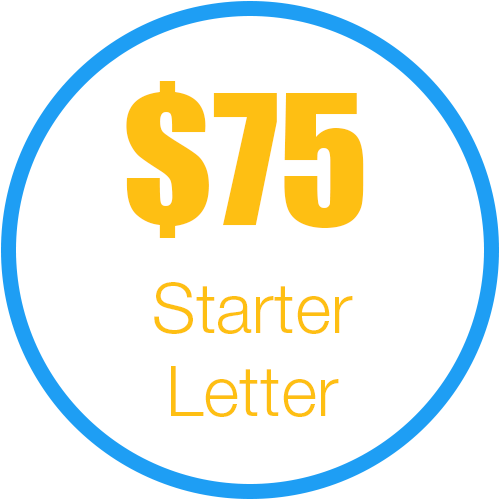

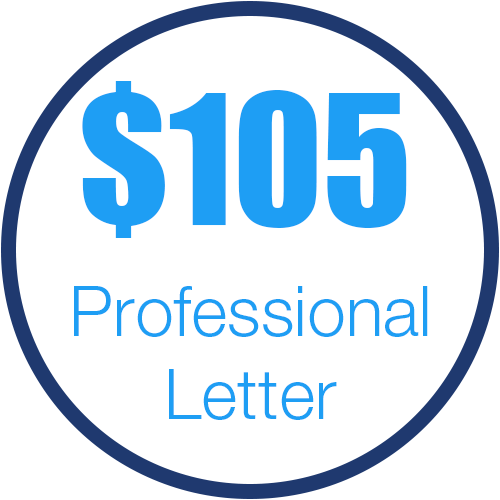
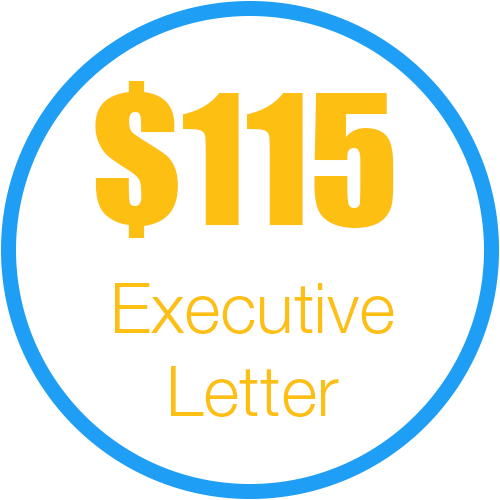
*Note: there is a 2.2% credit card fee if you choose to pay that way. There are no fees for bank transfer or cash.
THE IMPRESSABILITY PROCESS
Frequently Asked Questions:
-
Many employers still use cover letters to assess motivation, communication skills and alignment with the role. It is also a way to determine expectations regarding cultural fit because this is where you tell your story.
A strong cover letter can help differentiate you from other applicants. -
A cover letter should explain why you're interested in the role, how your skills and experience align with the position and what value you can bring to the organisation. But to really stand out, your cover letter should tell your story - your why - as well as argue your candidacy for the specific position.
-
A resume outlines your experience, skills and achievements. A cover letter explains how those experiences make you a strong candidate for a specific opportunity.
-
Absolutely. Cover letters can be particularly valuable for graduates, career changers and people returning to the workforce because they provide an opportunity to explain transferable skills, motivation and potential.
-
Yes. Many cover letters can be structured to address informal criteria listed in the advertisement and strengthen your application. In fact, if there is informal selection criteria in the advertisement, this is where you should directly respond to them.
-
Yes. Appointments and consultations can be conducted online, by phone or in person in Albury-Wodonga.